From trading post to skyline: Chicago’s dramatic rise
As you ride, you’ll pass the sites of pivotal chapters in Chicago’s history—industrial boom, devastating fire, bold rebuilding and a skyline that rewrote what cities could be.
Indice dei contenuti
Indigenous lands & early settlement
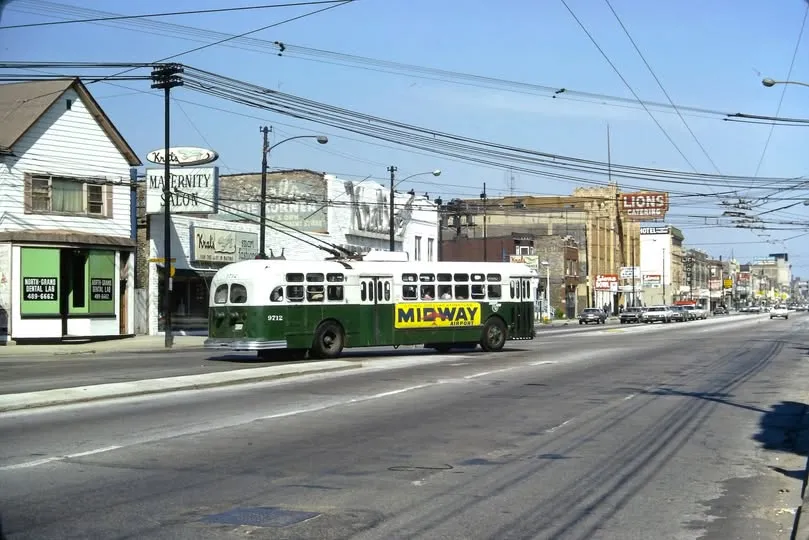
Long before the first European outposts, the Chicago region was home to diverse Indigenous peoples—Potawatomi, Odawa and Ojibwe—who fished, hunted and managed the landscape along the lakeshore and river. The place we now call Chicago was a natural gathering point at the mouth of the Chicago River, a crossroads of waterways and seasonal camps where trade and knowledge passed between communities.
The arrival of French traders and, later, American settlers in the 18th and early 19th centuries changed the land’s use and ownership, but Indigenous presence and influence remain an important thread in the city’s story—visible in place names, archaeological sites and cultural stewardship of the lakeshore.
Fort Dearborn & early growth
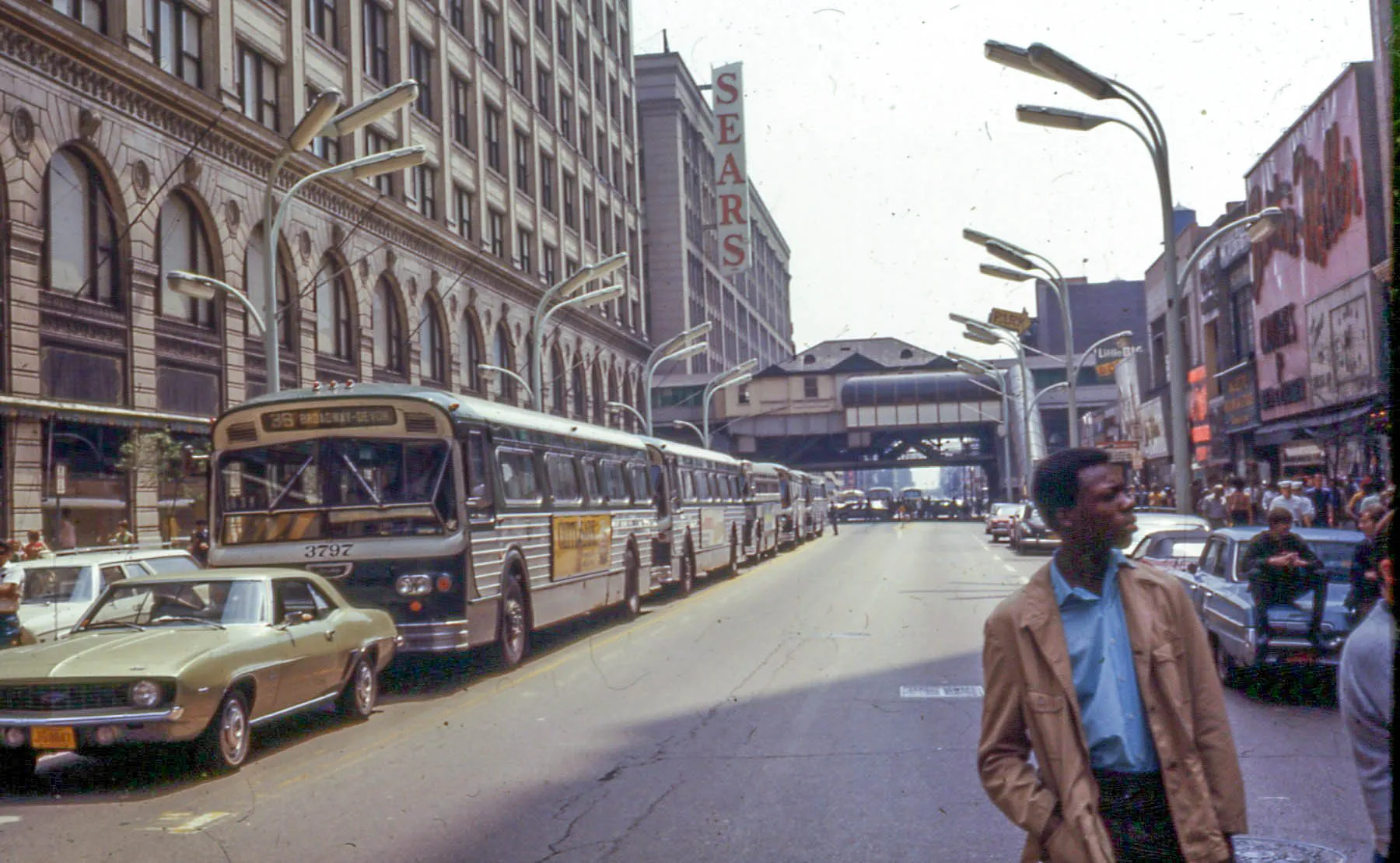
In 1803 the U.S. Army established Fort Dearborn at the river’s mouth, a focal point for trade and military activity that helped lay the foundation for Chicago’s growth. The town that grew around the fort prospered because of its strategic position between inland trade routes and the Great Lakes.
As settlers poured in during the 1830s and 1840s, Chicago’s grid of streets, rail connections and grain markets took shape. By mid‑century the city was already becoming a hub for transportation, commerce and shipping.
The Great Chicago Fire & rebuilding
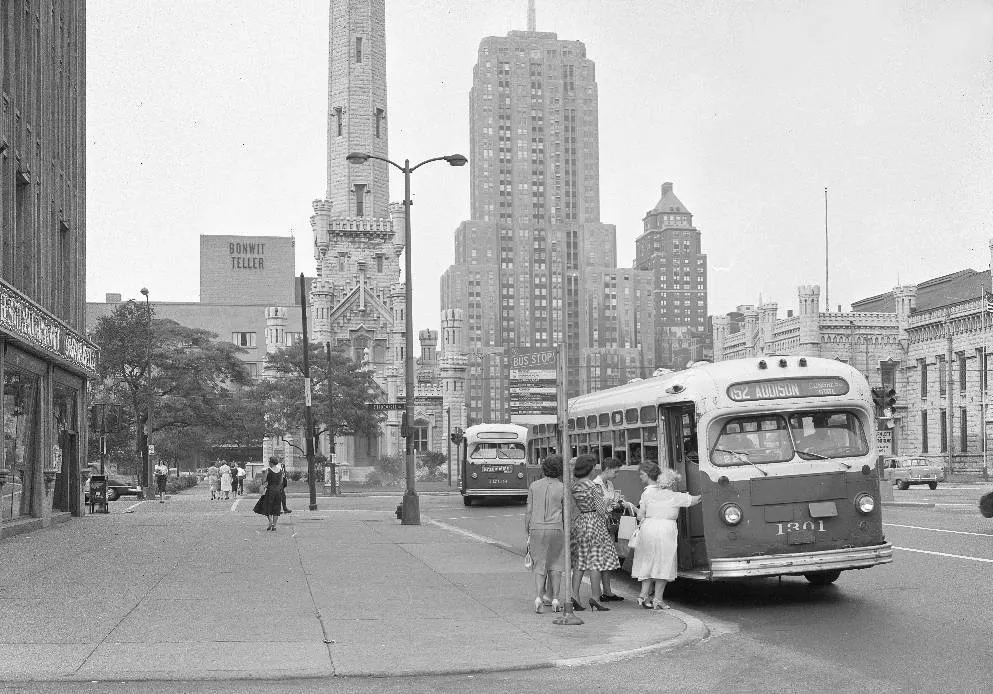
The Great Chicago Fire of 1871 devastated vast swathes of the city, destroying homes, businesses and much of the downtown. Yet out of that disaster came one of the most remarkable rebuilding stories in American history: investors, architects and engineers rallied to reinvent the city with new materials, stricter codes and bolder ideas.
The reconstruction era sparked an architectural revolution—Chicago architects experimented with steel‑frame construction, efficient elevators and large glass windows, laying the groundwork for the skyscrapers that would define modern skylines worldwide.
The birth of the skyscraper
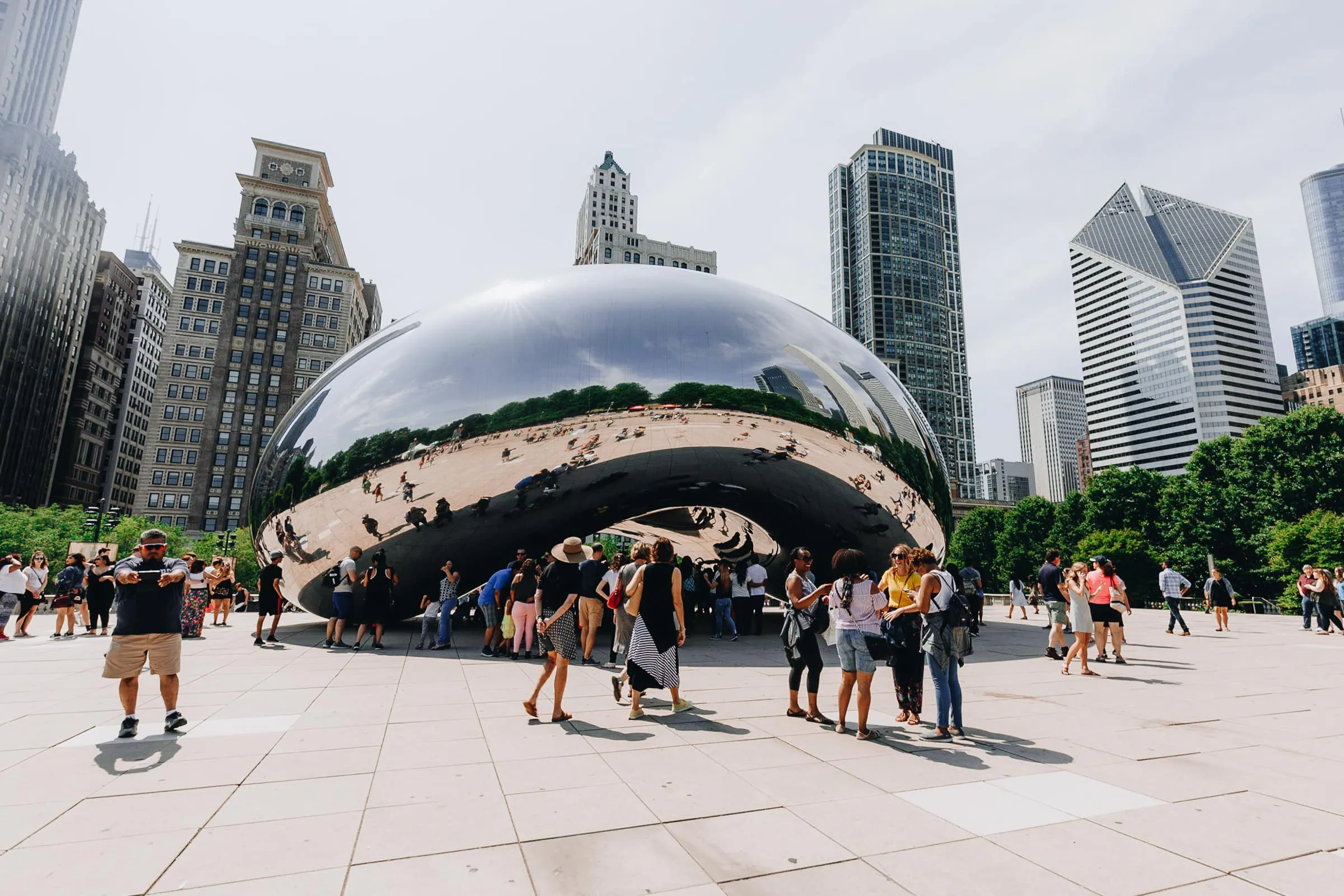
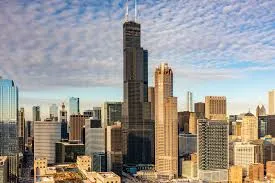
Chicago became synonymous with early skyscraper design. Pioneering architects like William Le Baron Jenney, Louis Sullivan and later Daniel Burnham and Holabird & Roche devised buildings that combined engineering innovation with civic ambition. Their work produced structures that balanced function, ornament and an unmistakable sense of place.
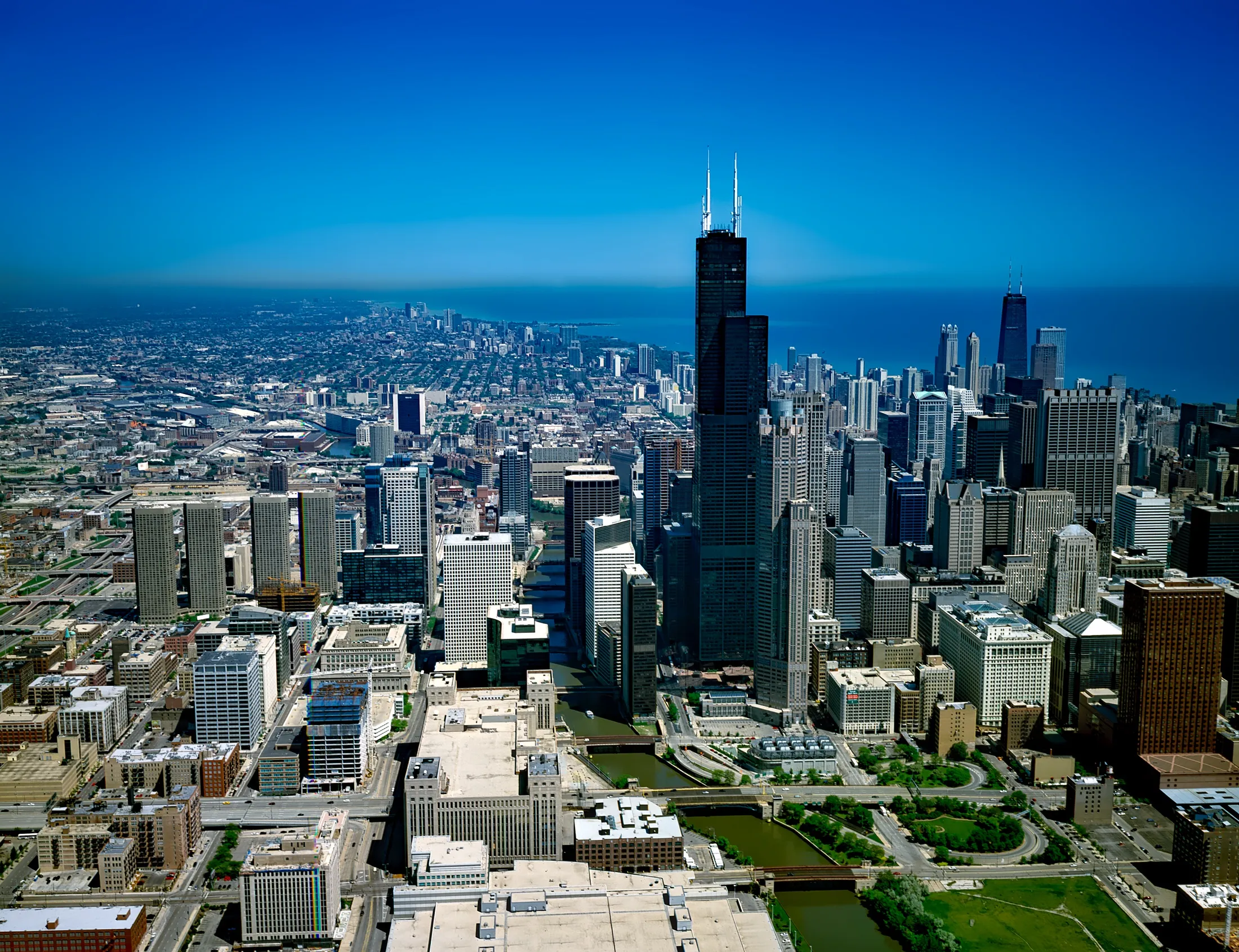
Walking or riding through the Loop, you’ll see the lineage of these ideas—from sturdy turn‑of‑the‑century facades to the glass towers that pierce the skyline—each one a chapter in the story of urban modernism.
Lakefront, parks & public spaces
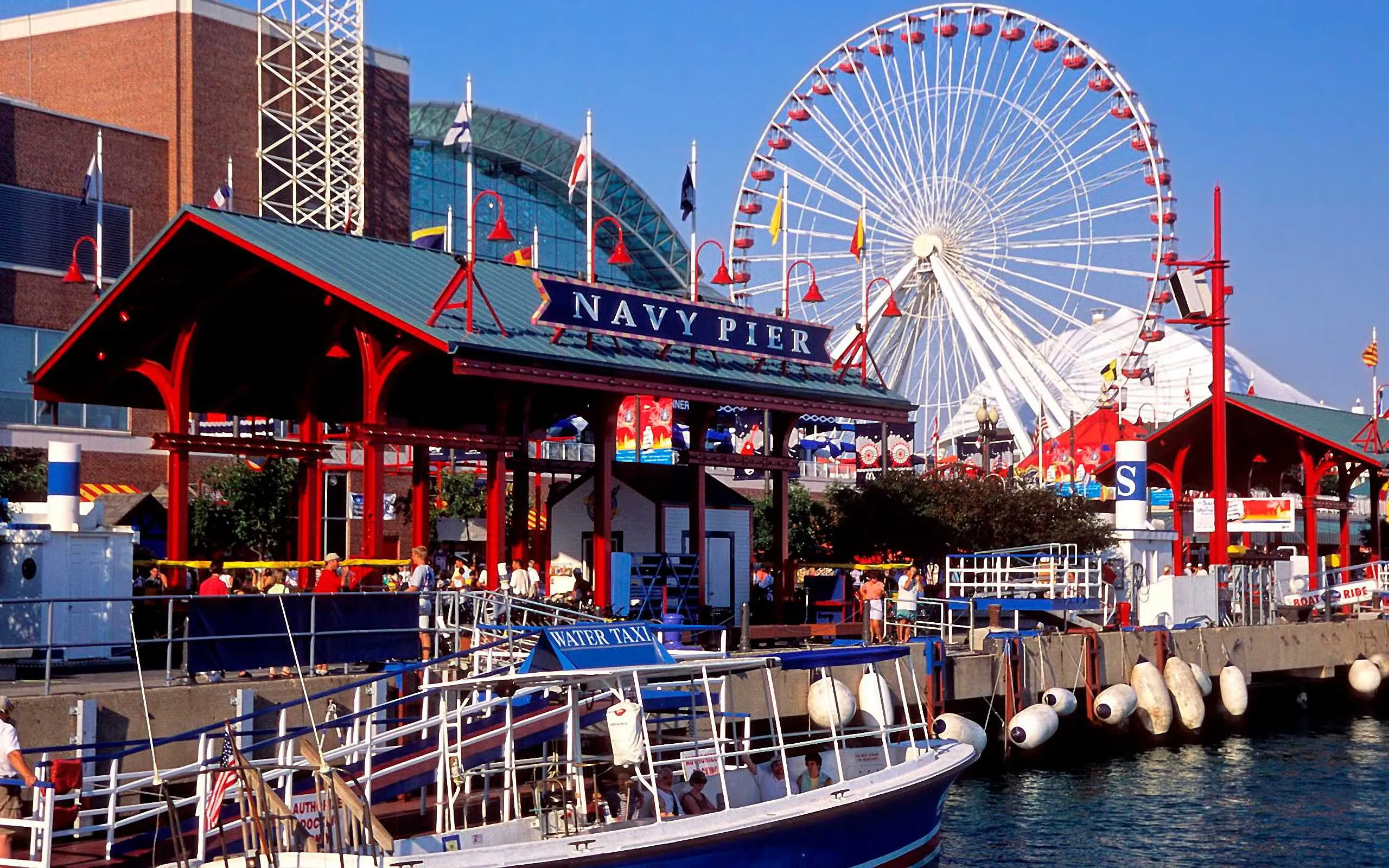
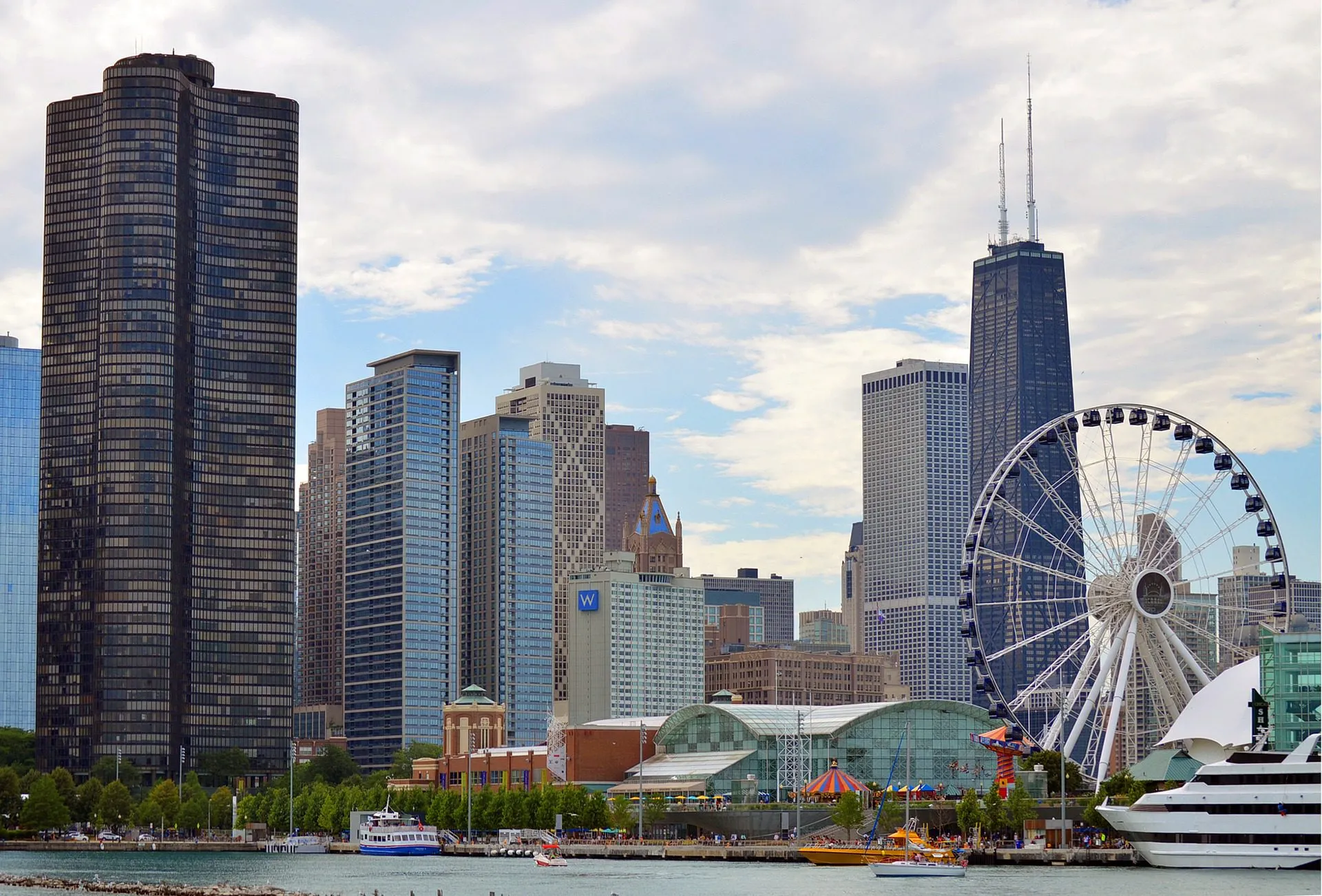
Chicago’s relationship with Lake Michigan has always been central to its identity. The lakefront parks, Grant Park and Grant’s vast promenades, and newer additions like Millennium Park were conceived as democratic public spaces—places for large gatherings, concerts, festivals and leisurely strolls with the skyline as a backdrop.
The lakefront also shaped industry and commerce: piers, shipping terminals and later recreational spaces transformed how residents and visitors experienced the city’s edge.
Immigrant neighborhoods & culture
Chicago’s neighborhoods were built by waves of immigrants—Irish, German, Polish, Italian, Mexican and more—each community leaving its mark on food, religion, festivals and everyday life. Walking through neighborhoods like Pilsen, Little Italy, Old Town or Bronzeville, you encounter layers of stories written in murals, churches and family‑run businesses.
This cultural diversity is a strength on every bus route: it shows up in street food, music scenes, community festivals and the warm, conversational flavor of the city itself.
Industry, transport & the river
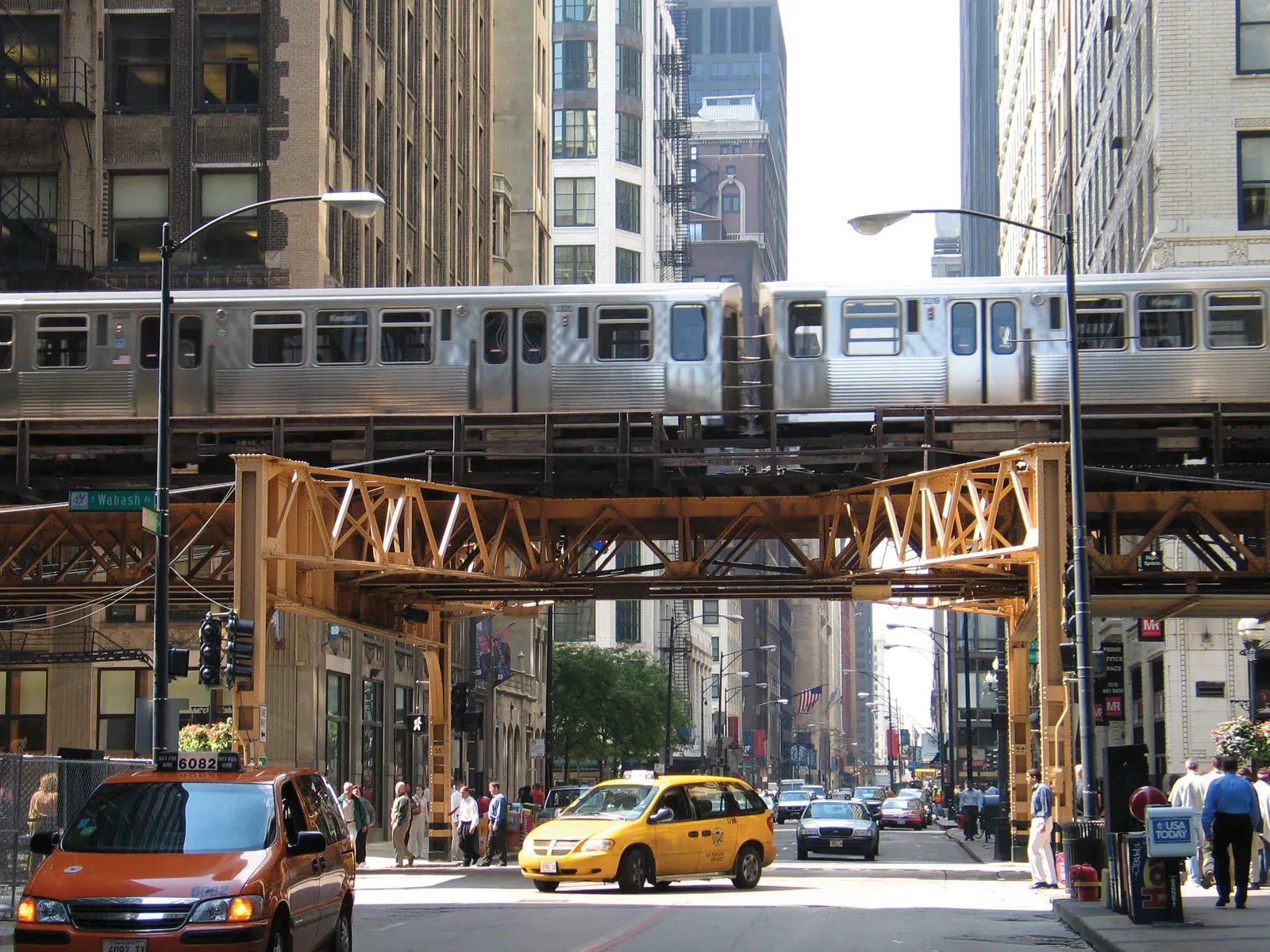
The Chicago River and the railroads made the city a transportation nexus. Rail yards, stockyards and industrial corridors fueled economic expansion, drawing labor and investment from across the nation and beyond.
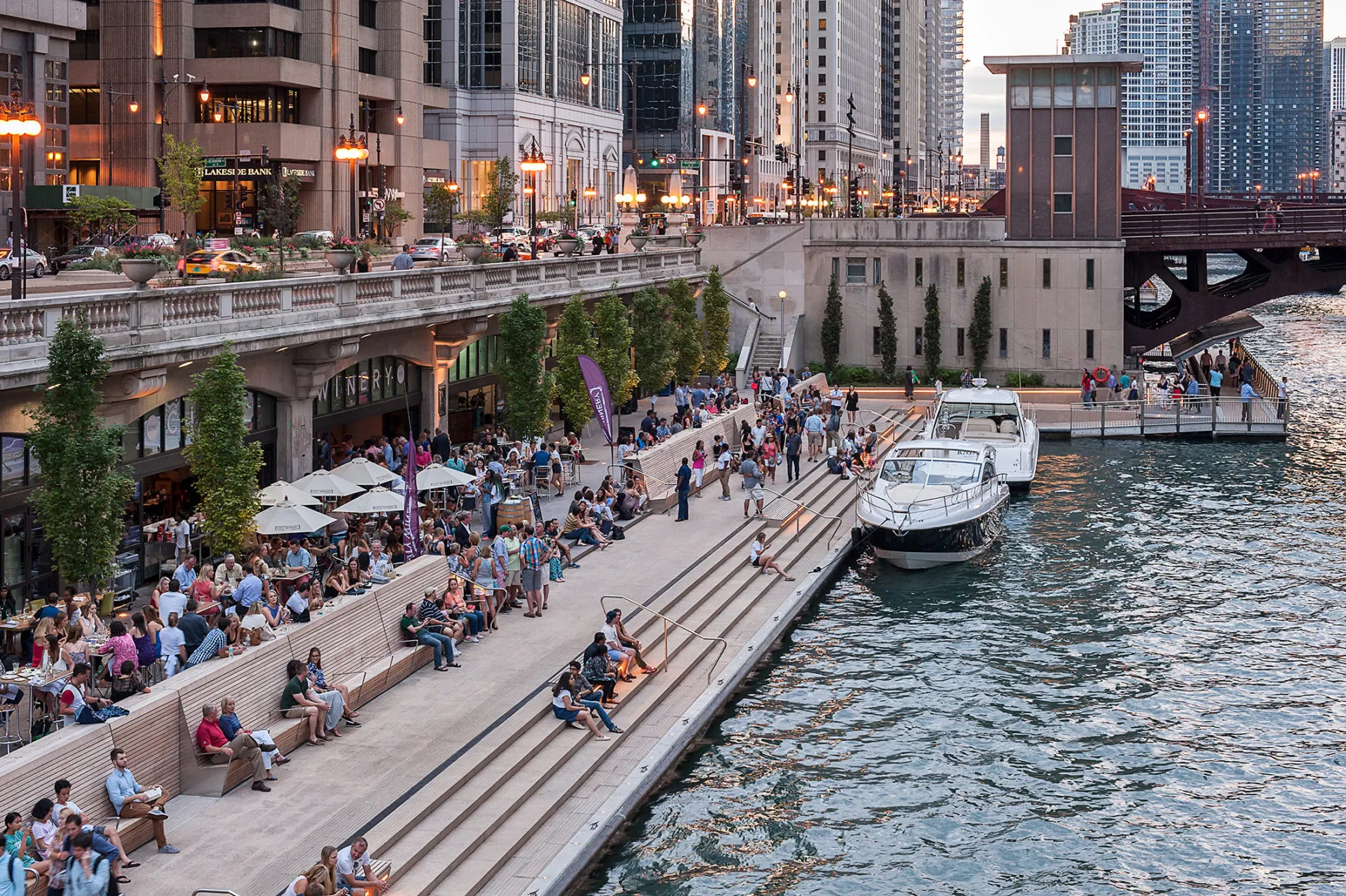
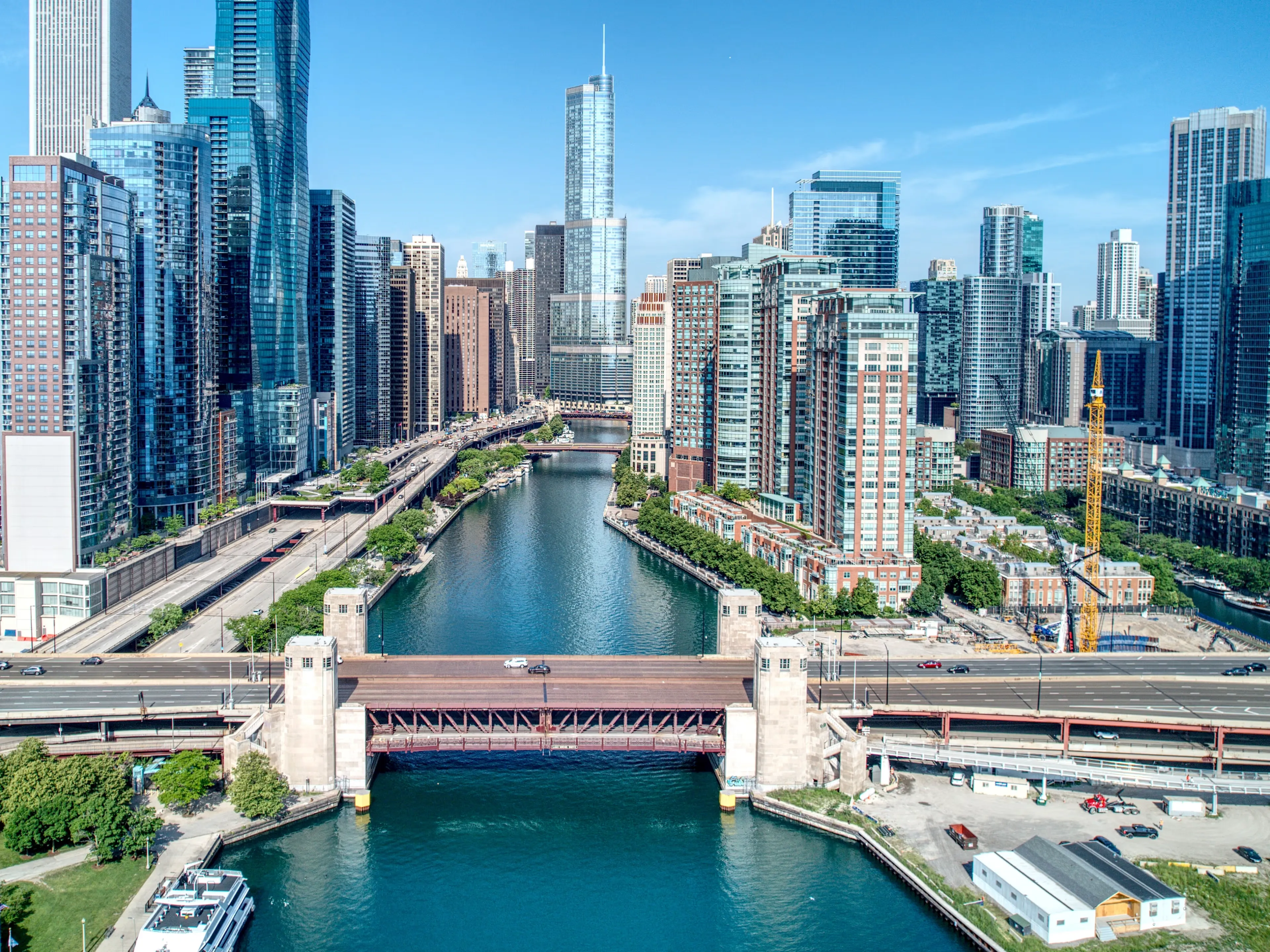
Over time the city softened industrial edges with parks and riverfront development. Today the Riverwalk and renewed piers link people to the water in new ways, offering dining, recreation and easier access to architecture tours.
Architecture, design & modern Chicago
From the Prairie School to modern glass towers and the contemporary experiments of the 21st century, Chicago remains an influential center for architecture and design. Institutions like the Art Institute, the Chicago Architecture Center and local universities keep the conversation lively.
Riding the hop‑on hop‑off route is one of the clearest ways to appreciate how the city’s built environment evolved—each building tells a story about innovation, taste and the city’s ongoing reinvention.
Music, food & cultural life
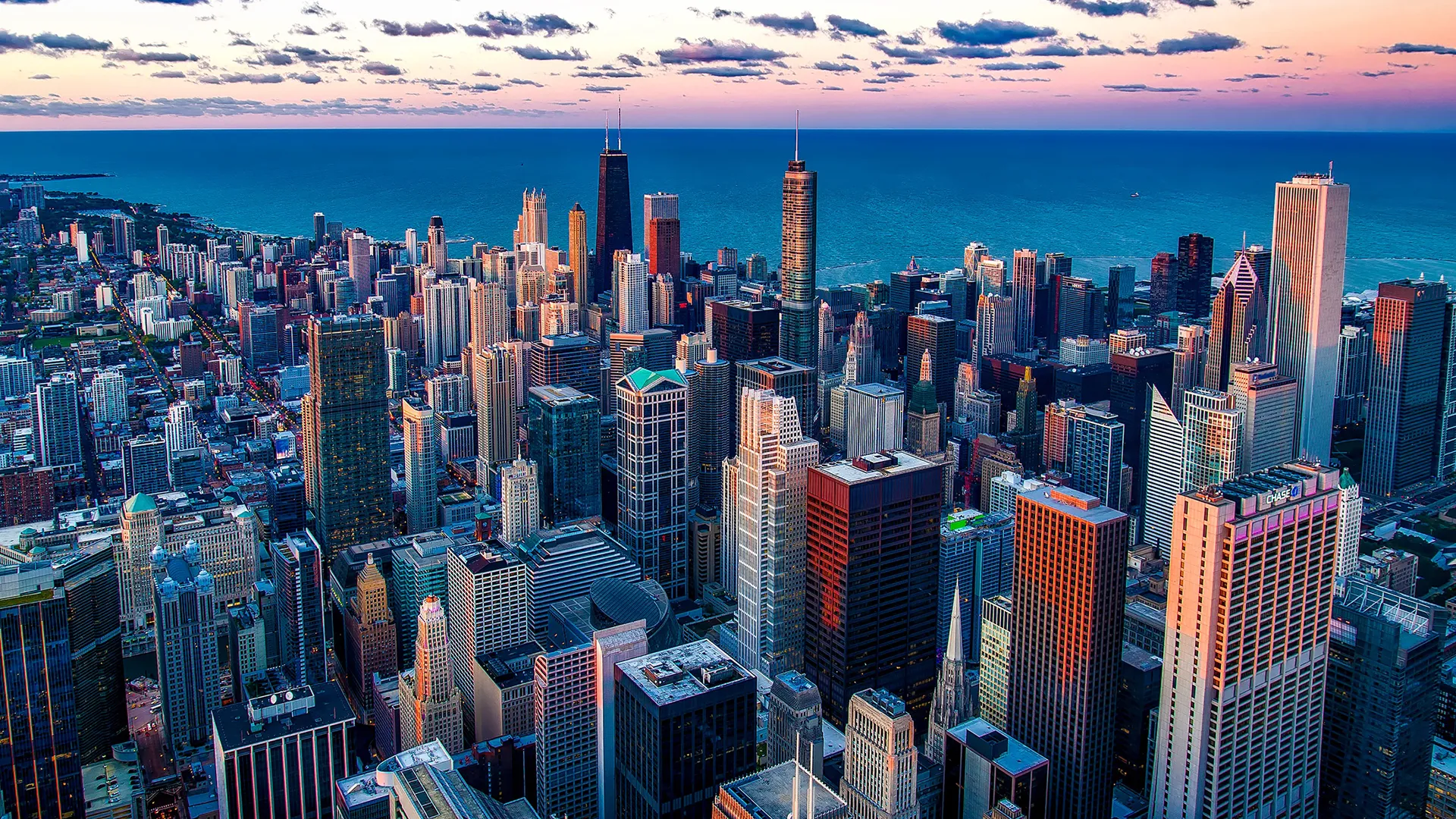
Chicago’s cultural life is famous for a reason: jazz and blues clubs, world‑class theaters, comedy institutions and an astonishing culinary scene that ranges from deep‑dish pizza to Michelin‑starred cuisine. Neighborhoods pulse with music, markets and seasonal festivals that give every visit a different flavor.
Hopping off the bus at a market or a local music venue lets you taste the everyday pleasures that make the city feel lived‑in rather than just photographed.
Tickets, passes & smart planning
A bit of planning helps: decide whether you want a quick overview or a slower museum‑heavy day, then pick a pass that gives you time at the stops you care about. Combine a bus pass with a river architecture cruise or a museum ticket for a fuller experience.
Consider opening hours and the size of attractions—museums and aquariums can easily take a few hours, while a riverwalk stroll or a skyline photo stop might only need 20–40 minutes.
Preserving heritage in a growing city
Chicago balances preservation with growth: efforts to restore historic buildings sit alongside new development that answers modern needs. Adaptive reuse projects, preservation districts and civic planning help keep the city’s character while allowing change.
Choosing responsible operators and supporting official site admissions helps sustain conservation work and ensures that historic places remain accessible to future visitors.
Side trips & nearby getaways
If you have more time, consider side trips: a short Metra ride to Evanston, a lakeshore cruise, or exploring neighborhood gems like Oak Park with its Frank Lloyd Wright houses. These easy extensions turn a day in the Loop into a richer regional experience.
On clear days the lake and sky become part of the tour—sunset over Lake Michigan is a simple and memorable way to end a Chicago day.
Why a bus ride tells Chicago’s story
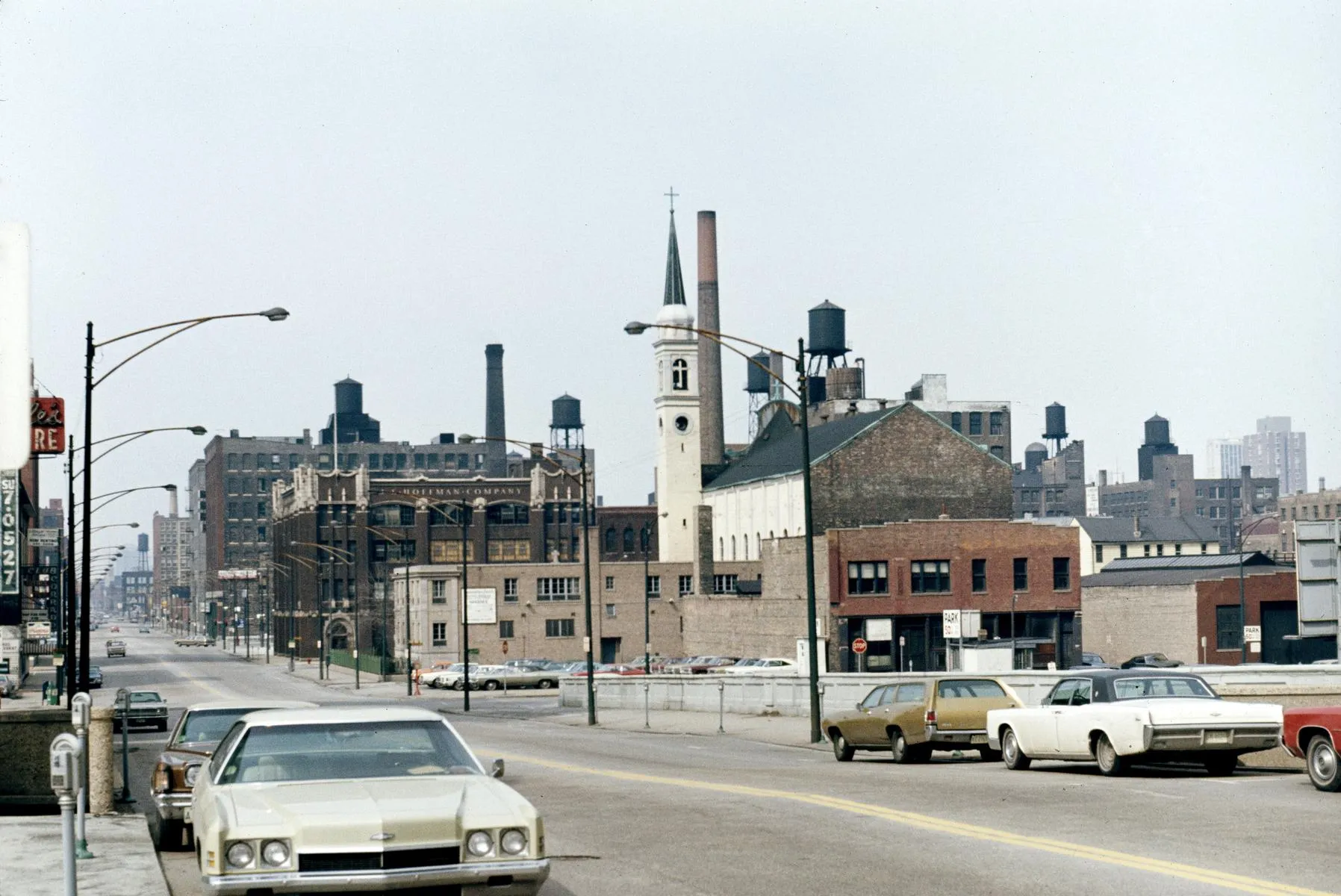
A hop‑on hop‑off bus is more than transport: it’s a moving introduction to how Chicago grew—its disasters, triumphs, immigrant neighborhoods, and architectural daring. From the river to the lake, you’ll see how commerce, culture and civic ambition shaped a city that keeps reinventing itself.
By the end of the day you’ll carry a stitched‑together memory of Chicago: museum galleries, skyline silhouettes, neighborhood flavors and riverside moments—each hop revealing a different facet of the same city.
Indice dei contenuti
Indigenous lands & early settlement
Long before the first European outposts, the Chicago region was home to diverse Indigenous peoples—Potawatomi, Odawa and Ojibwe—who fished, hunted and managed the landscape along the lakeshore and river. The place we now call Chicago was a natural gathering point at the mouth of the Chicago River, a crossroads of waterways and seasonal camps where trade and knowledge passed between communities.
The arrival of French traders and, later, American settlers in the 18th and early 19th centuries changed the land’s use and ownership, but Indigenous presence and influence remain an important thread in the city’s story—visible in place names, archaeological sites and cultural stewardship of the lakeshore.
Fort Dearborn & early growth
In 1803 the U.S. Army established Fort Dearborn at the river’s mouth, a focal point for trade and military activity that helped lay the foundation for Chicago’s growth. The town that grew around the fort prospered because of its strategic position between inland trade routes and the Great Lakes.
As settlers poured in during the 1830s and 1840s, Chicago’s grid of streets, rail connections and grain markets took shape. By mid‑century the city was already becoming a hub for transportation, commerce and shipping.
The Great Chicago Fire & rebuilding
The Great Chicago Fire of 1871 devastated vast swathes of the city, destroying homes, businesses and much of the downtown. Yet out of that disaster came one of the most remarkable rebuilding stories in American history: investors, architects and engineers rallied to reinvent the city with new materials, stricter codes and bolder ideas.
The reconstruction era sparked an architectural revolution—Chicago architects experimented with steel‑frame construction, efficient elevators and large glass windows, laying the groundwork for the skyscrapers that would define modern skylines worldwide.
The birth of the skyscraper
Chicago became synonymous with early skyscraper design. Pioneering architects like William Le Baron Jenney, Louis Sullivan and later Daniel Burnham and Holabird & Roche devised buildings that combined engineering innovation with civic ambition. Their work produced structures that balanced function, ornament and an unmistakable sense of place.
Walking or riding through the Loop, you’ll see the lineage of these ideas—from sturdy turn‑of‑the‑century facades to the glass towers that pierce the skyline—each one a chapter in the story of urban modernism.
Lakefront, parks & public spaces
Chicago’s relationship with Lake Michigan has always been central to its identity. The lakefront parks, Grant Park and Grant’s vast promenades, and newer additions like Millennium Park were conceived as democratic public spaces—places for large gatherings, concerts, festivals and leisurely strolls with the skyline as a backdrop.
The lakefront also shaped industry and commerce: piers, shipping terminals and later recreational spaces transformed how residents and visitors experienced the city’s edge.
Immigrant neighborhoods & culture
Chicago’s neighborhoods were built by waves of immigrants—Irish, German, Polish, Italian, Mexican and more—each community leaving its mark on food, religion, festivals and everyday life. Walking through neighborhoods like Pilsen, Little Italy, Old Town or Bronzeville, you encounter layers of stories written in murals, churches and family‑run businesses.
This cultural diversity is a strength on every bus route: it shows up in street food, music scenes, community festivals and the warm, conversational flavor of the city itself.
Industry, transport & the river
The Chicago River and the railroads made the city a transportation nexus. Rail yards, stockyards and industrial corridors fueled economic expansion, drawing labor and investment from across the nation and beyond.
Over time the city softened industrial edges with parks and riverfront development. Today the Riverwalk and renewed piers link people to the water in new ways, offering dining, recreation and easier access to architecture tours.
Architecture, design & modern Chicago
From the Prairie School to modern glass towers and the contemporary experiments of the 21st century, Chicago remains an influential center for architecture and design. Institutions like the Art Institute, the Chicago Architecture Center and local universities keep the conversation lively.
Riding the hop‑on hop‑off route is one of the clearest ways to appreciate how the city’s built environment evolved—each building tells a story about innovation, taste and the city’s ongoing reinvention.
Music, food & cultural life
Chicago’s cultural life is famous for a reason: jazz and blues clubs, world‑class theaters, comedy institutions and an astonishing culinary scene that ranges from deep‑dish pizza to Michelin‑starred cuisine. Neighborhoods pulse with music, markets and seasonal festivals that give every visit a different flavor.
Hopping off the bus at a market or a local music venue lets you taste the everyday pleasures that make the city feel lived‑in rather than just photographed.
Tickets, passes & smart planning
A bit of planning helps: decide whether you want a quick overview or a slower museum‑heavy day, then pick a pass that gives you time at the stops you care about. Combine a bus pass with a river architecture cruise or a museum ticket for a fuller experience.
Consider opening hours and the size of attractions—museums and aquariums can easily take a few hours, while a riverwalk stroll or a skyline photo stop might only need 20–40 minutes.
Preserving heritage in a growing city
Chicago balances preservation with growth: efforts to restore historic buildings sit alongside new development that answers modern needs. Adaptive reuse projects, preservation districts and civic planning help keep the city’s character while allowing change.
Choosing responsible operators and supporting official site admissions helps sustain conservation work and ensures that historic places remain accessible to future visitors.
Side trips & nearby getaways
If you have more time, consider side trips: a short Metra ride to Evanston, a lakeshore cruise, or exploring neighborhood gems like Oak Park with its Frank Lloyd Wright houses. These easy extensions turn a day in the Loop into a richer regional experience.
On clear days the lake and sky become part of the tour—sunset over Lake Michigan is a simple and memorable way to end a Chicago day.
Why a bus ride tells Chicago’s story
A hop‑on hop‑off bus is more than transport: it’s a moving introduction to how Chicago grew—its disasters, triumphs, immigrant neighborhoods, and architectural daring. From the river to the lake, you’ll see how commerce, culture and civic ambition shaped a city that keeps reinventing itself.
By the end of the day you’ll carry a stitched‑together memory of Chicago: museum galleries, skyline silhouettes, neighborhood flavors and riverside moments—each hop revealing a different facet of the same city.